Tracing the Evolution of Reward Systems Tied to Transaction Efficiency in Mobile Table and Slot Offerings
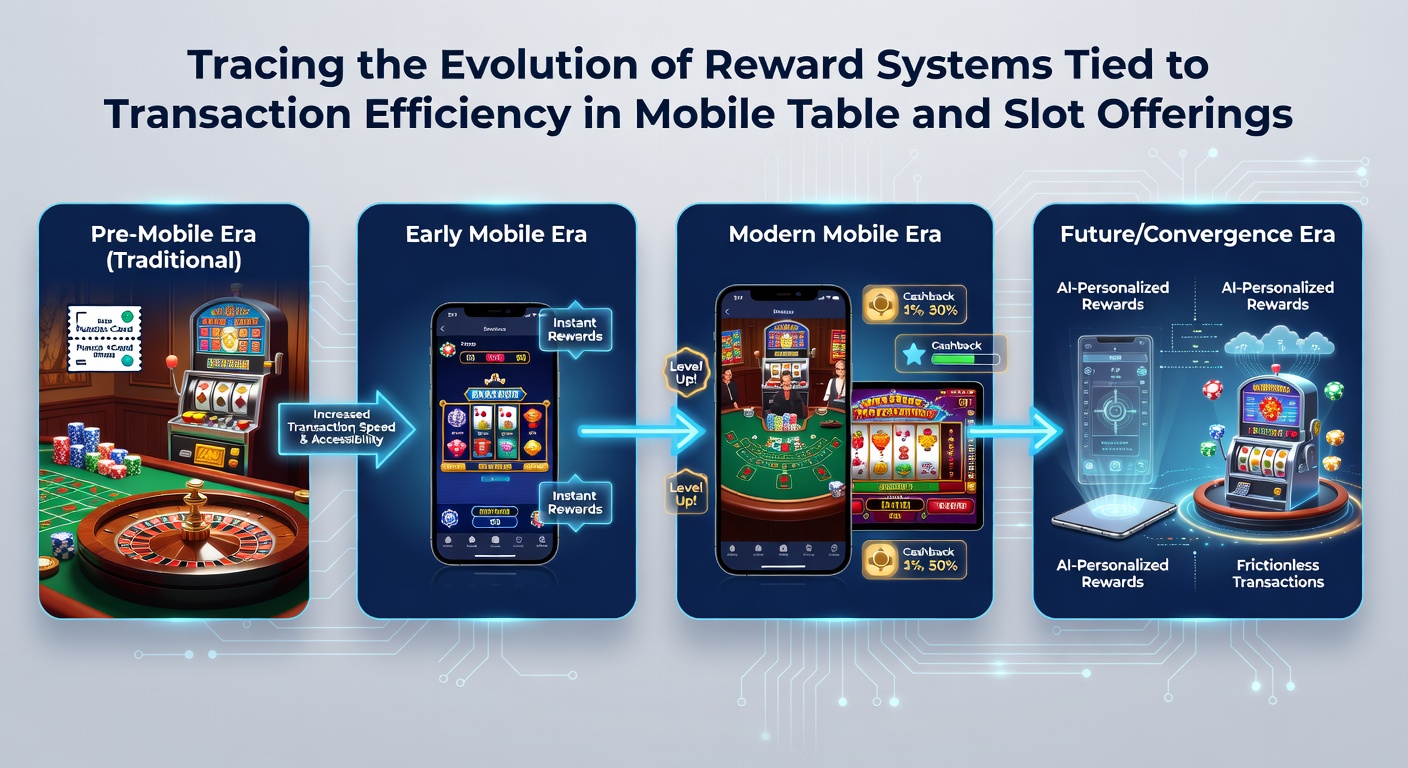
Developments in mobile gaming platforms began shifting focus toward integrated reward mechanisms during the initial expansion of smartphone-based table and slot offerings in the early 2010s, and operators started linking player incentives directly to the speed and reliability of financial transactions rather than isolated gameplay metrics alone.
Initial Integration of Transaction Speed with Basic Loyalty Frameworks
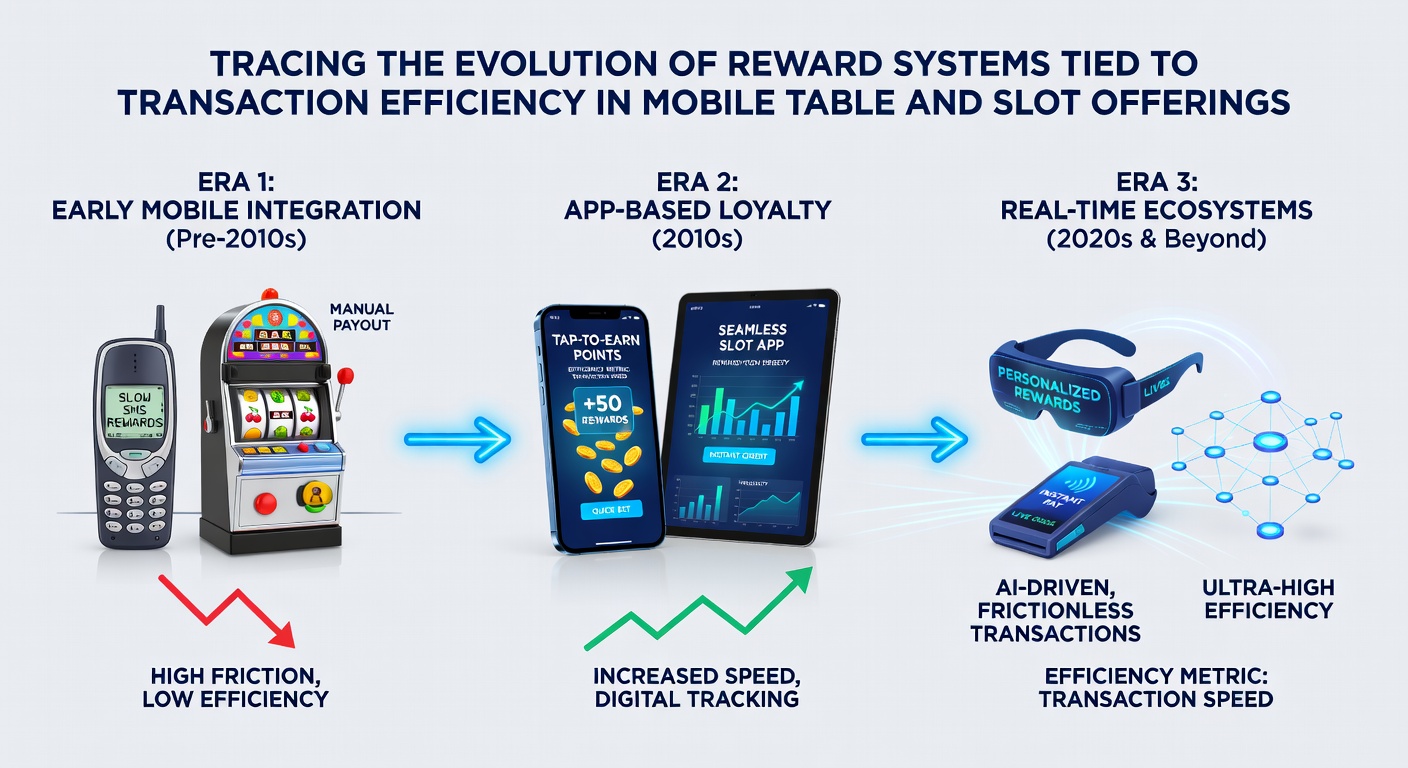
Early mobile applications for table games such as blackjack and roulette along with slot titles incorporated simple point accumulation systems that rewarded consistent deposits, yet these structures rarely accounted for processing times until network infrastructure improvements allowed real-time confirmation of transfers. Data from regulatory filings shows that platforms in regulated markets began testing efficiency-based multipliers by 2015, where users completing deposits within set windows received accelerated point credits that could convert into free spins or table game credits.
Observers note that transaction efficiency became a measurable variable once digital wallets and instant banking options entered widespread use, and this change prompted providers to adjust algorithms so that faster payment confirmations triggered higher reward tiers without requiring additional play volume. Studies from academic institutions examining user behavior patterns indicated correlations between reduced deposit latency and increased session durations across both slot machines and live dealer table environments.
Expansion During Mobile Platform Maturation
As operating systems standardized secure payment APIs, reward systems evolved to include tiered bonuses scaled according to average transaction completion rates across multiple sessions, and this approach allowed operators to differentiate offerings between high-frequency slot players and those engaging primarily with mobile table formats. Figures from industry analyses reveal that by 2018 many applications had implemented dynamic loyalty dashboards displaying projected rewards based on estimated processing speeds for various funding methods.
Those who monitored platform updates during this period recall how withdrawal processing times started influencing reward eligibility, since quicker cashouts often signaled lower risk profiles that justified enhanced bonus structures. Regulatory records from the New Jersey Division of Gaming Enforcement documented early pilot programs where transaction velocity directly affected comp point accrual rates for both slot jackpots and table game side bets.
Refinements in Algorithmic Reward Allocation
Current systems employ machine learning models that evaluate transaction efficiency metrics such as confirmation latency and payment method stability to adjust reward outputs in real time, and these models apply different weighting to slot versus table game activity because slot sessions typically generate higher transaction frequency while table games involve larger single transfers. Research indicates that platforms using such models report measurable differences in retention when efficiency thresholds determine bonus unlock speeds.
Operators have introduced hybrid reward pools where a portion of the incentive derives from gameplay volume and another segment scales with verified transaction performance, which creates layered progression paths that update continuously rather than at fixed intervals. Data compiled through 2025 shows increasing adoption of these layered structures across multiple jurisdictions, with particular emphasis on mobile environments where users expect immediate feedback on both play and funding actions.
Developments Observed Through Early 2026
Reports released in May 2026 highlighted continued refinement of efficiency-linked rewards, particularly in markets where mobile table offerings compete directly with slot products for player attention, and analysts documented expanded use of instant settlement features that feed directly into reward calculation engines. These updates allow players to see projected point adjustments immediately after each confirmed transaction, reducing the gap between action and incentive delivery.
International comparisons drawn from sources including the Australian Communications and Media Authority demonstrate regional variations in how efficiency metrics integrate with reward frameworks, as some markets prioritize withdrawal speed while others emphasize deposit consistency. Platform operators responding to these patterns adjusted mobile interfaces to surface efficiency scores alongside traditional loyalty balances, giving users clearer visibility into how transaction choices affect available rewards.
Technical Mechanisms Driving Current Structures
Backend systems now track granular data points including payment processor response times, network stability during transfers, and success rates across repeated transactions, then feed this information into reward engines that allocate bonuses proportionally. This technical linkage ensures that improvements in mobile banking integration translate directly into enhanced player incentives without manual intervention from operators.
Examples from deployed applications show that slot-focused rewards often emphasize rapid small deposits for bonus spin eligibility, whereas table game rewards incorporate efficiency scoring around larger buy-ins that support extended play sessions. The distinction maintains balance across product categories while leveraging the same underlying transaction data streams.
Conclusion
Patterns across the documented timeline illustrate how reward systems progressed from static point programs to dynamic structures calibrated against transaction performance in mobile table and slot environments. Continued integration of real-time efficiency data appears likely to shape further iterations as payment technologies advance and regulatory frameworks adapt to mobile-first gaming models.