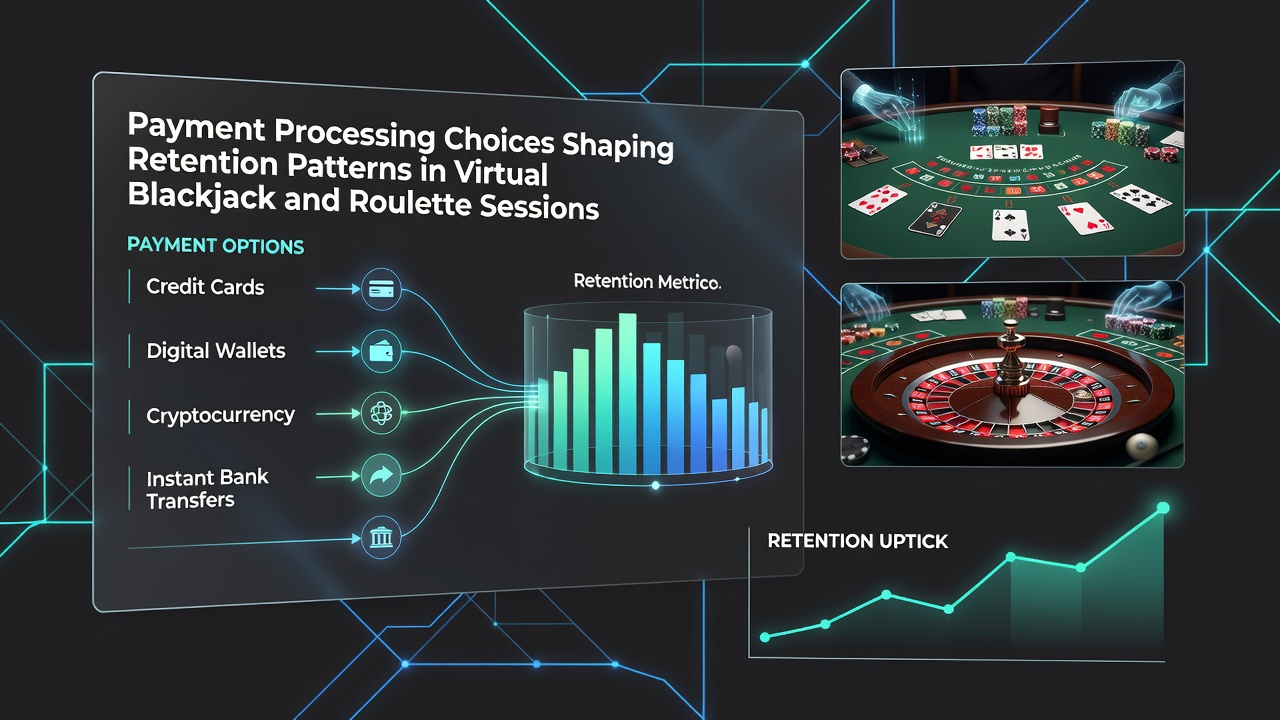
Payment Processing Choices Shaping Retention Patterns in Virtual Blackjack and Roulette Sessions
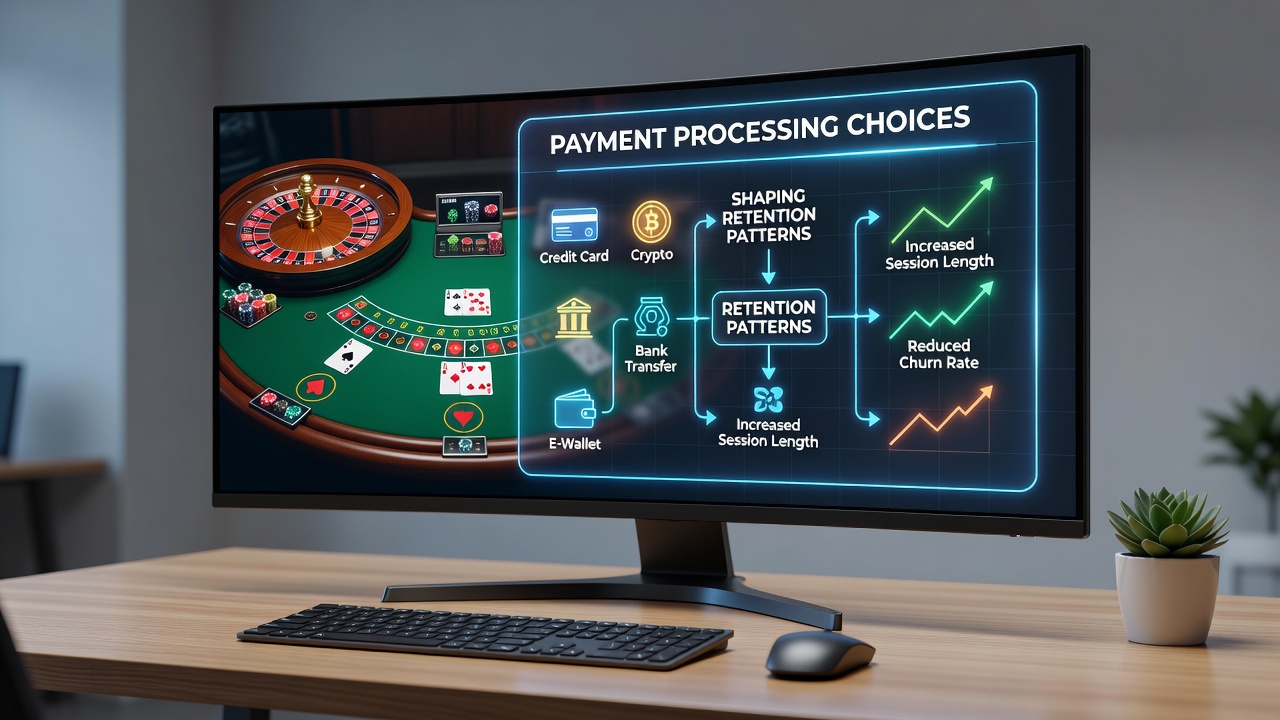
Payment processing options have become central factors in how players maintain engagement during virtual blackjack and roulette sessions across online platforms. Data from industry reports indicate that transaction speed, fee structures, and method availability directly correlate with session duration and return rates in these table games, where decision-making cycles create unique demands compared to other formats.
Payment Method Categories and Platform Integration
Virtual gaming environments support several payment categories including traditional credit and debit cards, e-wallets, bank transfers, and emerging digital currencies. Each option carries distinct processing timelines that affect player behavior in blackjack and roulette, games that often involve extended sessions with frequent small wagers. Platforms integrate these methods through secure gateways that comply with regional regulations, and observers note that seamless integration reduces friction points that might otherwise interrupt play flow.
Research from the American Gaming Association highlights how e-wallet adoption has grown steadily, with transaction confirmations occurring in seconds rather than days. This speed allows players to reload balances mid-session without exiting the game interface, a pattern that appears consistently in retention metrics for both blackjack and roulette formats.
Session Dynamics in Blackjack and Roulette
Blackjack sessions typically feature rapid hand resolutions and strategic adjustments that encourage continuous play, while roulette rounds involve betting cycles tied to wheel spins. Payment choices influence these dynamics because delays in funding or cashing out can break concentration. Studies show that instant deposit options correlate with longer average session times, as players avoid the cognitive switch cost of navigating external banking apps.
Those who track player data across multiple jurisdictions report that platforms offering multiple concurrent payment rails see higher completion rates for table game rounds. In July 2026, updated figures from several operators revealed that sessions using instant bank transfer methods extended by an average of 12 minutes compared to those relying on card-only processing.
Retention Metrics and Transaction Speed Correlations
Retention patterns emerge most clearly when examining withdrawal processing alongside deposit flows. Players who experience quick access to winnings tend to initiate new sessions sooner, particularly in roulette where outcome volatility can prompt immediate re-engagement. According to data compiled by the Alcohol and Gaming Commission of Ontario, platforms with sub-five-minute withdrawal approvals recorded 23 percent higher seven-day return rates among table game participants than those with standard 24-hour processing.
Fee transparency also plays a measurable role. When platforms disclose all transaction costs upfront, users exhibit fewer abandoned sessions after a single loss streak. Blackjack participants, who often manage bankrolls with precise betting progressions, respond strongly to predictable fee structures that do not erode session capital unexpectedly.
Regional Regulatory Influences on Processing Standards
Different regulatory frameworks shape which payment options operators can promote. In markets with strict consumer protection rules, platforms must offer at least one no-fee withdrawal method per month, a requirement that has altered retention curves in monitored jurisdictions. European regulatory bodies and North American state commissions both enforce these standards, yet implementation timelines vary and create observable differences in cross-border player behavior.
Operators responding to these rules have introduced tiered loyalty features that reward consistent use of certain payment rails. Data indicates these incentives sustain engagement across multiple sessions rather than single visits, especially when tied to roulette betting volumes where cumulative play determines reward thresholds.
Technological Shifts Affecting Player Choices
API integrations between gaming platforms and financial institutions have reduced average authorization times across all methods. Mobile-optimized payment flows now support biometric confirmations that complete within the game environment, eliminating the need to switch applications. Observers tracking these developments note that such features appear most effective in maintaining momentum during blackjack sessions where timing between hands matters to strategy execution.
Digital currency options continue expanding in select regions, with settlement finality occurring faster than traditional rails in many cases. Retention data for these methods shows elevated repeat visit rates among users who prioritize privacy features alongside speed, though adoption remains concentrated in specific player segments.
Conclusion
Payment processing selections continue to influence how long and how often players return to virtual blackjack and roulette environments. Transaction speed, fee clarity, and regulatory compliance combine to shape observable retention patterns, with data from multiple sources confirming consistent relationships between processing efficiency and session continuity. As platforms refine their payment ecosystems, these factors remain central to understanding engagement trends in table game offerings.