How Tiered Loyalty Mechanics Drive Engagement Shifts in Progressive Slot Ecosystems on Portable Devices
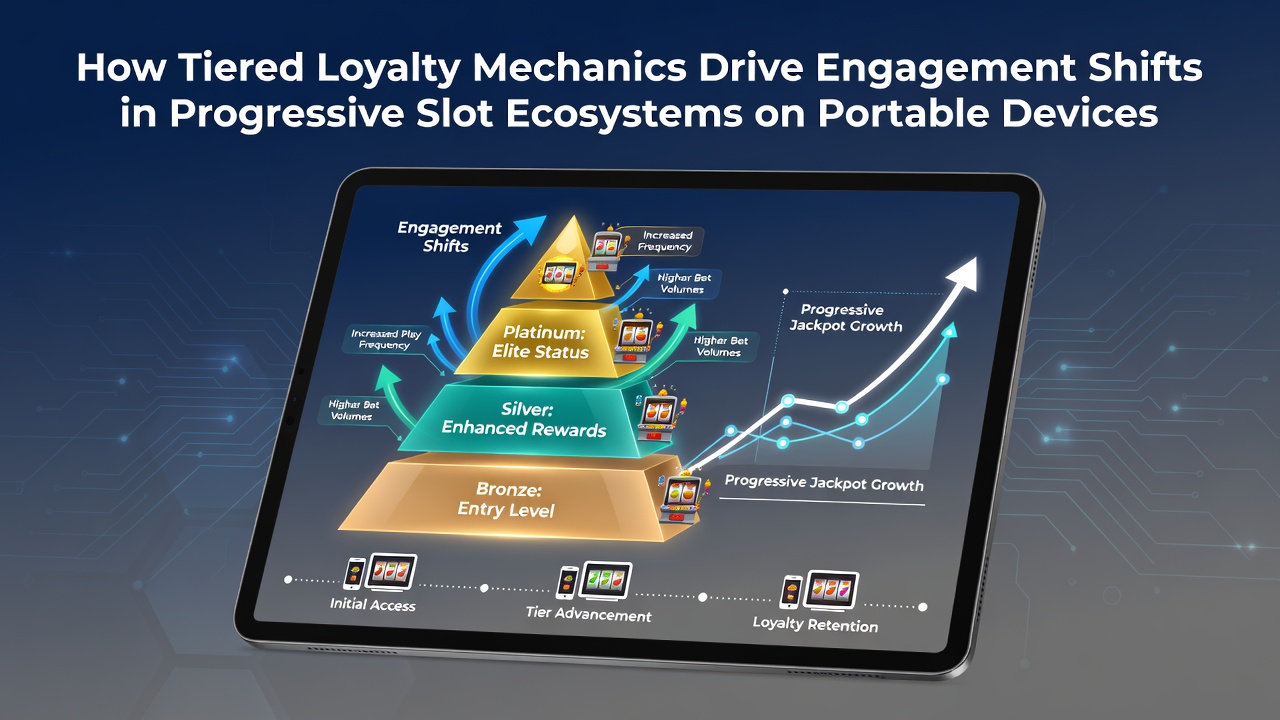
Progressive slot ecosystems on portable devices incorporate tiered loyalty mechanics that adjust reward structures based on accumulated player activity, which in turn influences session frequency and duration across mobile platforms. These systems track spins, wager volumes, and jackpot contributions through device-specific applications, then assign players to ascending tiers that unlock scaled benefits tied directly to progressive prize pools.
Mechanics of Tiered Structures in Mobile Progressive Slots
Operators implement multi-level frameworks where entry-level participants begin in base categories and advance through consistent engagement with progressive titles, earning points that compound toward higher status. Data from industry monitoring shows that players reaching intermediate tiers receive enhanced contribution rates to shared jackpots, while top-tier accounts access accelerated accumulation formulas that multiply their impact on prize growth during portable sessions. Researchers at institutions tracking gambling patterns note that these progressions create feedback loops where increased playtime on smartphones and tablets directly feeds into larger progressive meters visible in real time on device screens.
Application interfaces display tier status alongside current jackpot values, allowing users to monitor advancement without interrupting gameplay flows. Points systems deduct or add based on win outcomes and deposit patterns, with algorithms adjusting thresholds seasonally to maintain balance across different device operating systems. Observers note that portable ecosystems benefit particularly from this setup because push notifications alert players to impending tier upgrades or jackpot thresholds during short mobile sessions that might otherwise end abruptly.
Engagement Pattern Changes Driven by Loyalty Progression
Studies of player behavior indicate that movement through loyalty tiers correlates with measurable increases in daily active sessions on progressive slots accessed via portable devices. Lower-tier participants often exhibit sporadic logins focused on base game features, whereas those advancing to elevated levels demonstrate extended play intervals and higher wager frequencies as they pursue enhanced jackpot multipliers available exclusively at those stages. Figures released in June 2026 from regulatory summaries across multiple jurisdictions reveal average session lengths rising by double-digit percentages among accounts that crossed into mid-tier categories during the preceding quarter.
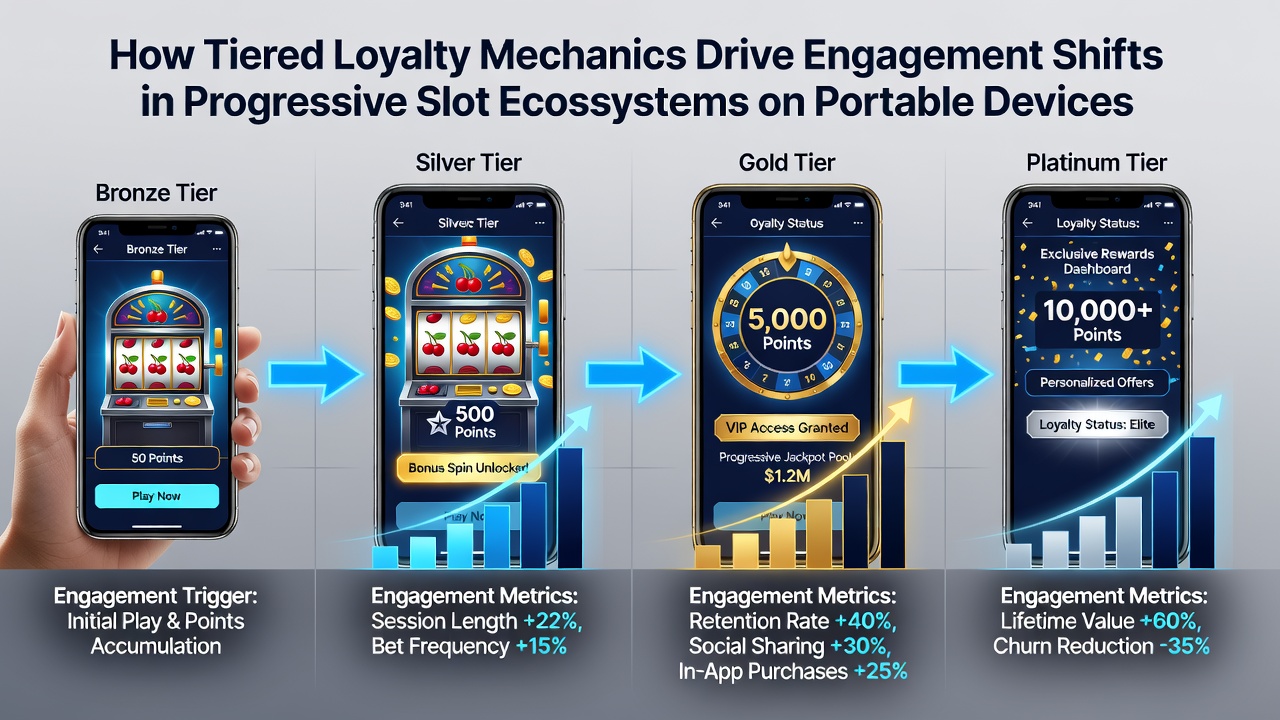
What's interesting here is how mobile-specific elements amplify these shifts. Device sensors and location data integrate with loyalty tracking to trigger personalized progressive slot recommendations that align with a player's current tier, encouraging transitions from casual spins to sustained participation in growing jackpot pools. Evidence from transaction records suggests that players who receive tier-based incentives complete more consecutive spins before exiting applications compared to those operating without such layered rewards.
Regional Data and Market Observations
Reports compiled by the Victorian Responsible Gambling Foundation highlight similar patterns in Australian markets, where tiered systems linked to mobile progressive offerings produced measurable upticks in repeat logins during early 2026. In North American jurisdictions, data compiled by the Nevada Gaming Control Board shows parallel trends among portable device users, with higher-tier accounts contributing disproportionately to overall progressive pool funding through sustained mobile activity. These geographic variations underscore how local regulatory environments shape the precise implementation of loyalty tiers while the core engagement mechanics remain consistent.
Academic analyses from university-affiliated research centers further document that progression through loyalty levels reduces churn rates in progressive slot categories on portable platforms. Players who achieve and maintain elevated status display loyalty metrics that extend beyond single titles, often migrating between interconnected progressive games within the same ecosystem to maximize tier benefits. This cross-title movement creates broader participation patterns that operators track through aggregated mobile analytics.
Conclusion
Tiered loyalty mechanics continue to reshape participation dynamics within progressive slot environments on portable devices by aligning reward access with sustained activity levels. Ongoing data collection from regulatory bodies and research organizations provides ongoing visibility into these engagement adjustments across different markets and device types. As mobile platforms evolve, the integration of tier progression with real-time jackpot systems offers a measurable framework for understanding player retention patterns in this segment of the gaming industry.